
Can Menopause Really Affect Your Eyes?
Menopause is commonly associated with hot flashes, sleep disturbances, and mood changes. However, many women are unaware that hormonal shifts during menopause can also affect eye health. Changes in vision, dryness, and eye discomfort are often overlooked or mistaken for normal ageing.
Naomi Watts and Ignoring Menopause Symptoms
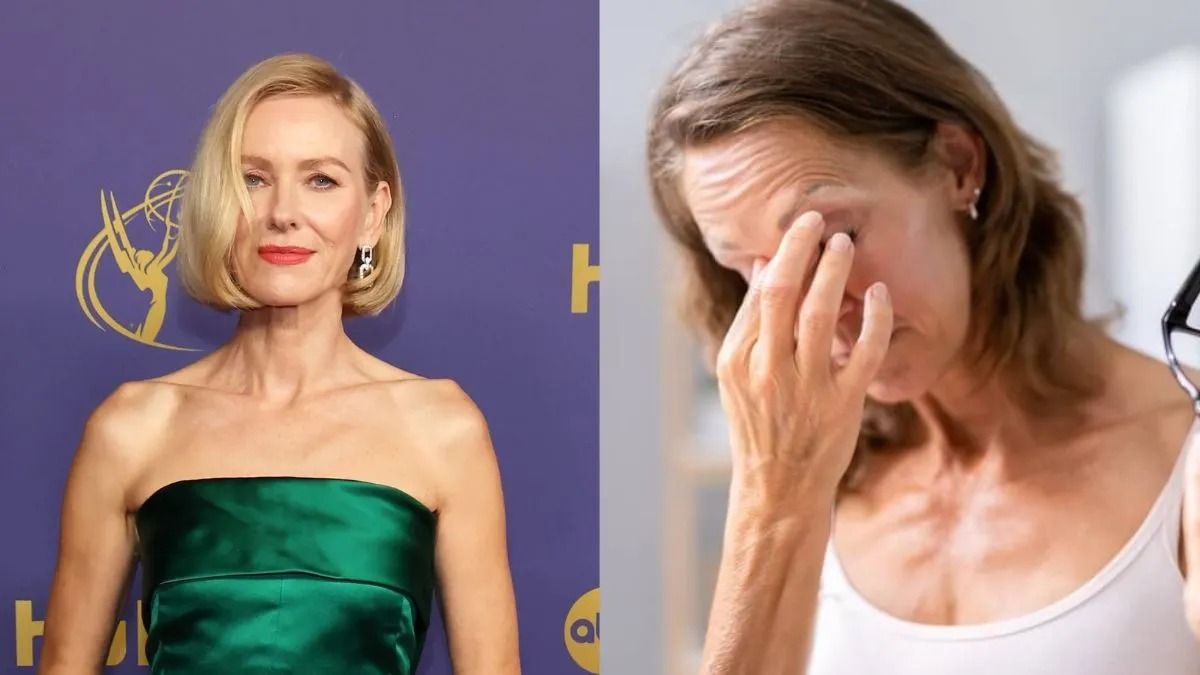
Actor Naomi Watts recently shared how she ignored her menopausal symptoms for years, assuming they were due to stress or ageing. Like many women, she did not immediately connect her symptoms to menopause. Experts say this delay is common, especially when symptoms affect areas like eye health, which are rarely linked to hormonal changes by patients themselves.
How Menopause Affects Eye Health
According to Dr. Pooja Thukral, Consultant Obstetrician and Gynaecologist at Cloudnine Group of Hospitals, Faridabad, the decline in oestrogen after menopause can impact multiple systems in the body, including the eyes. Hormone-related eye changes may develop gradually and often go unnoticed without regular eye examinations.
"After menopause, the fall in oestrogen levels can lead to certain hormone-related eye conditions, which many women tend to ignore initially."
— Dr. Pooja Thukral
Dry Eyes and Irritation After Menopause
Reduced oestrogen levels affect tear production, leading to dry eye disease. This is one of the most common eye complaints in postmenopausal women.
- Persistent dryness or gritty sensation
- Burning or irritation in the eyes
- Increased sensitivity to light
Due to reduced tear film, many women may require artificial tear drops or other supportive treatments as advised by an ophthalmologist.
Increased Risk of Glaucoma
Glaucoma, commonly known as kala motiya, is another concern after menopause. It affects the optic nerve due to increased pressure inside the eye and often progresses silently.
- Usually symptom-free in early stages
- Detected only through routine eye exams
- Managed with medications or surgical intervention if required
Regular eye check-ups are essential, as untreated glaucoma can lead to permanent vision loss.
Cataract and Hormonal Changes
Cataract, also called safed motiya, has also been linked to hormonal deficiency after menopause. Changes in the eye lens can cause gradual clouding of vision. Cataracts are typically treated with surgery to restore clear vision.
Blepharitis and Lid Margin Dryness
Blepharitis is inflammation of the eyelid margins and is more common after menopause. Reduced oestrogen can cause dryness and irritation around the eyelids.
- Itching or burning of eyelids
- Redness along the lid margins
- Crusting or discomfort around the eyes
Treatment should always be guided by an ophthalmologist and may include medicated drops, ointments, or lid hygiene routines.
Why Regular Eye Check-Ups Matter After Menopause
Dr. Pooja Thukral strongly recommends that women undergo eye examinations every one to two years after menopause. Routine screenings help detect silent conditions like glaucoma early and manage dryness before it affects daily activities.
Research published in the journal Menopause highlights that postmenopausal women are at higher risk of dry eye disease due to oestrogen deficiency, reinforcing the need for early diagnosis and regular eye care.
Conclusion
Menopause affects more than reproductive health. It can quietly influence eye comfort and vision quality as well. Naomi Watts’ experience reflects how easy it is to dismiss symptoms that don’t seem hormonally related. With awareness, timely eye check-ups, and expert guidance, menopause-related eye conditions can be managed effectively, helping women protect their vision and quality of life.


