
The Link Between Hormones and Your Hearing
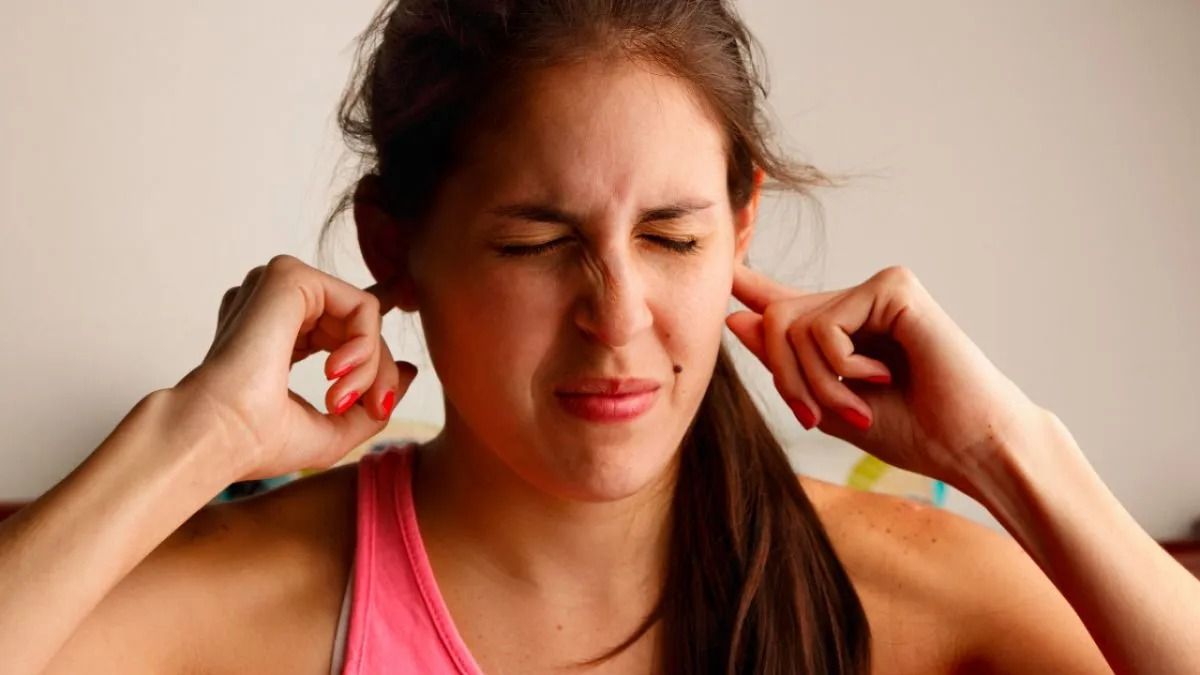
If everyday sounds feel unusually loud or irritating around your period, you are not imagining it. Hormonal fluctuations during the menstrual cycle can influence how the brain processes sensory input, including sound. While cramps and bloating are well-known symptoms, heightened sound sensitivity is a lesser-discussed but real experience for many women.
"Many women report menstrual migraines and headaches around their periods. We know that during this phase, sensitivity to sound and light can increase for some women due to hormonal changes affecting the brain."
— Dr. Pooja Thukral
Who Is Most at Risk?
Sound sensitivity during periods is not considered a serious medical condition, but it can be uncomfortable and disruptive. Certain groups may be more prone to experiencing it due to how their brains already process sensory signals.
- Women who experience menstrual migraines or hormone-triggered headaches
- Neurodivergent individuals, including those with ADHD or autism
- Women who are already sensitive to noise or bright environments
"It does not mean sound sensitivity is an underlying disorder. It is simply more noticeable in some women because of how their nervous system processes signals during hormonal shifts."
— Dr. Pooja Thukral
When Does It Happen and What Does It Feel Like?
Sound sensitivity usually appears a few days before your period begins or during the first couple of days of bleeding, when oestrogen and progesterone levels drop sharply. During this time, normal sounds may feel louder, more irritating, or overwhelming.
- Normal household sounds may feel unusually loud
- Lower tolerance to noise or busy environments
- A sense of sensory overload along with fatigue or headache
- Symptoms often ease once hormone levels stabilise
How to Manage Sound Sensitivity
Managing sound sensitivity is mostly about preparation and gentle lifestyle adjustments. Knowing your cycle helps you anticipate and reduce discomfort during sensitive days.
- Stay in calm, quiet environments when possible
- Use noise-cancelling earbuds or headphones
- Practice relaxation techniques such as yoga or deep breathing
- Stay well hydrated throughout the day
- Limit caffeine, as it can heighten sensory sensitivity
Avoid self-medicating or starting supplements on your own. Always consult your doctor if symptoms feel severe or persistent.
Conclusion
Sound sensitivity around your period is often linked to natural hormonal changes rather than a serious health issue. For some women, especially those prone to migraines or sensory sensitivity, these changes can feel more intense. Understanding your cycle, planning ahead, and listening to your body can help you cope better and feel more comfortable each month.