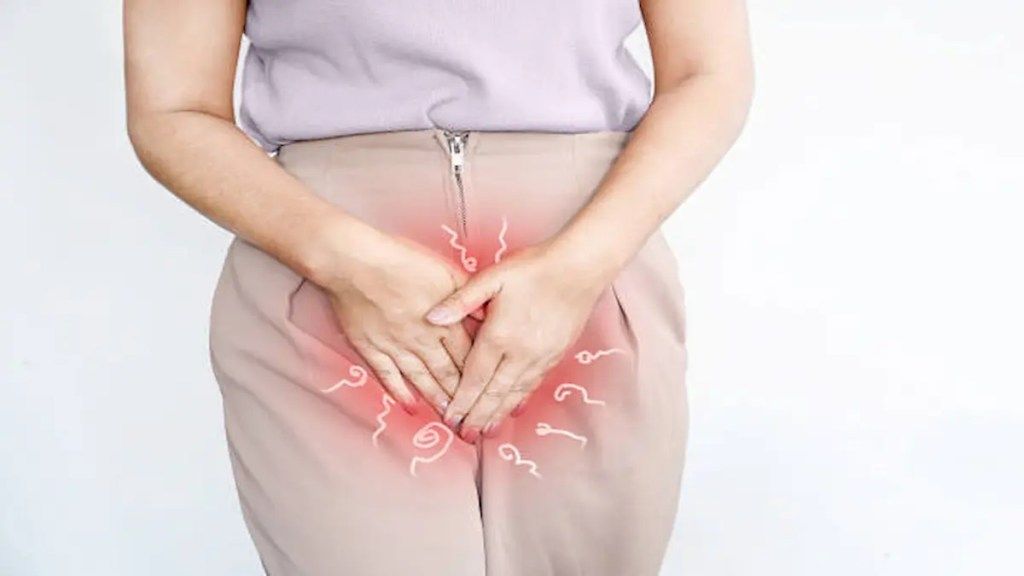

Does Your Desire Change Around Your Period?
Sexual desire during menstruation varies widely. Some women notice an increase in libido due to hormonal fluctuations and the belief that pregnancy risk is lower during periods. Others may feel no desire at all, especially if they experience cramps, fatigue, or discomfort.
"Hormonal shifts during the cycle can increase desire in some women, while pain and discomfort can reduce it for others. Both responses are completely normal."
— Dr. Pooja
Is It Safe to Have Sex During Your Period?
In most cases, period sex is medically safe. However, there are some considerations related to hygiene and infection risk that couples should be aware of before engaging in intercourse during menstruation.
- Menstrual blood can increase the risk of transmitting STIs or UTIs
- Using condoms reduces infection risk and improves hygiene
- Showering before and after sex helps maintain cleanliness
- Sex toys should be washed immediately after use
Busting the Misconceptions Around Period Sex
One of the most common myths is that menstruation makes a woman dirty or impure. Menstrual blood is a natural biological process, not a sign of uncleanliness. Period sex is a personal choice, not a moral or medical wrongdoing.
Menstrual blood can act as a natural lubricant, which some couples find reduces discomfort during sex, though it does require extra cleanup.
Risks and Precautions to Keep in Mind
- Always use condoms to reduce STI and UTI risk
- Use towels or choose the shower to manage mess
- Avoid intercourse if there is significant pain or discomfort
- Consider non-penetrative intimacy if concerned about infection
Some studies suggest an association between sexual activity during menstruation and conditions like endometriosis, though this does not mean period sex causes these conditions.
What Stays the Same in Period Sex
Despite the differences, many aspects of intimacy remain unchanged. Communication, consent, emotional closeness, and aftercare are just as important during period sex as they are at any other time in the cycle.
- Open communication with your partner remains essential
- Safe sex practices still matter
- Emotional intimacy and connection stay the same
- Gentle aftercare improves comfort and wellbeing
When Should You Talk to a Doctor?
- Pain or discomfort during period sex
- Frequent UTIs or pelvic infections
- Known or suspected endometriosis
- Concerns about hygiene, protection, or safety
FAQs
No, it is generally safe for most women, provided proper hygiene and protection are maintained.
Yes, there can be a slightly higher risk of STIs or UTIs, which is why condom use is recommended.
For some women, orgasm and muscle relaxation may temporarily ease cramps, though this varies individually.
"Period sex is a personal choice. With the right hygiene, protection, and communication, it can be just as safe and fulfilling as sex at any other time."
— Dr. Pooja