Why Generic Weight Loss Advice Doesn't Work After Pregnancy
Postpartum weight loss is different from a regular weight loss journey. After childbirth, your body is still healing, hormones are adjusting, sleep is often disrupted, and breastfeeding may increase nutritional and energy requirements. Following a strict calorie deficit or intense exercise routine too soon can affect recovery and overall well-being.
"The body postpartum is running on a completely different physiological script, with healing, hormone recalibration, possible breastfeeding demands, and sleep deprivation happening all at once."
— Dr. Pooja Thukral
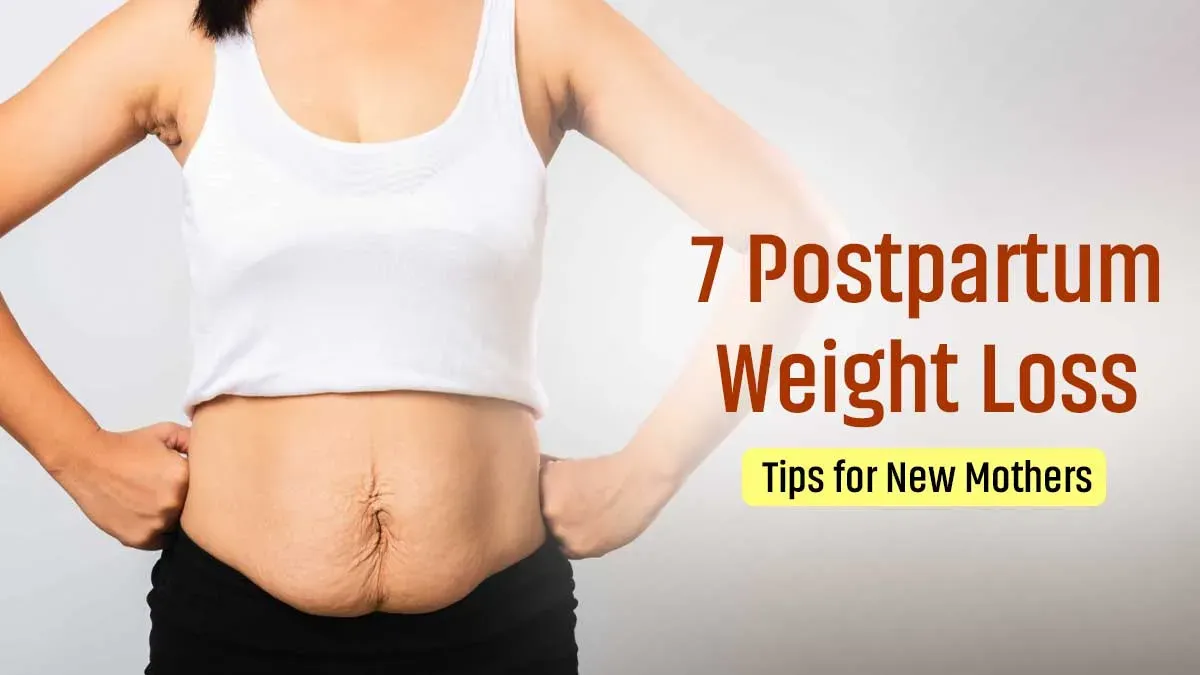
7 Postpartum Weight Loss Tips for New Mothers
1. Check Your Recovery Before Starting a Calorie Deficit
Your body needs adequate time to heal after childbirth, especially following a C-section or if you have diastasis recti (separation of the abdominal muscles). Starting a calorie-restricted diet before recovery is complete may slow healing and affect milk supply in breastfeeding mothers. Get a postpartum recovery assessment before beginning a structured weight loss plan.
2. Adjust Your Nutrition According to Breastfeeding Needs
Breastfeeding requires additional energy, but the exact amount varies depending on the baby's age, feeding frequency, and whether you are exclusively or partially breastfeeding. A fixed calorie target may not meet your changing needs. Adjust your food intake according to your feeding routine and energy levels rather than following a restrictive diet.
3. Prioritise Protein-Rich Meals and Snacks
Protein supports tissue repair, muscle recovery, and overall nourishment after childbirth. New mothers often have irregular meal timings because of newborn care. Keeping protein-rich snacks close to your feeding or pumping area can make it easier to eat regularly and manage hunger.
- Include protein-rich foods in your main meals
- Keep nutritious snacks within easy reach
- Choose foods such as pulses, dairy, eggs, nuts, and other suitable protein sources
4. Protect Your Sleep and Rest
Sleep deprivation is common after childbirth, but prolonged poor sleep can affect hunger-regulating hormones and increase cortisol levels. This may make weight management more difficult. Instead of focusing only on getting eight hours of sleep, try to protect an uninterrupted block of rest whenever possible, with support from family members.
"Chronic sleep deprivation directly raises cortisol and disrupts hunger hormones, ghrelin and leptin, making fat loss genuinely harder at a hormonal level, regardless of diet quality."
— Dr. Pooja Thukral
5. Rebuild Your Pelvic Floor Before Starting Intense Exercise
The pelvic floor and core muscles undergo significant changes during pregnancy and childbirth. Jumping straight into high-impact workouts without rebuilding strength may worsen pelvic floor symptoms. Begin with gentle, guided breathing, core activation, and pelvic floor exercises, then gradually progress to walking and other activities after medical clearance.
6. Check Your Thyroid Health
Postpartum thyroiditis is a condition in which the thyroid gland becomes inflamed after childbirth. It can contribute to weight changes, fatigue, mood changes, and difficulty managing weight. If you experience persistent symptoms or unexpected weight changes, speak to your doctor about whether thyroid testing is appropriate.
- Unexplained weight gain or difficulty losing weight
- Persistent fatigue
- Mood changes
- A racing heartbeat or unusual physical symptoms
7. Understand the Difference Between Baby Weight and Body Fat
Not all the weight gained during pregnancy is body fat. Some of it comes from fluid retention, increased blood volume, and breast tissue changes. These temporary changes may resolve naturally during the early weeks after delivery. Give your body time to recover before considering aggressive weight loss measures.
When Should You See a Doctor?
Slow and gradual postpartum weight loss is normal. However, certain symptoms need medical attention, especially if they affect your recovery or ability to care for your baby.
- Extreme tiredness that does not improve with rest
- A sudden drop in breast milk supply
- Unexpected weight changes, racing heartbeat, or severe brain fog
- Increased vaginal bleeding, foul-smelling discharge, or sharp abdominal or pelvic pain
- Persistent anxiety, depression, or feeling overwhelmed
- Pelvic pain, heaviness, or difficulty controlling your bladder or bowel movements
Do not begin a restrictive diet or intense workout routine without considering your postpartum recovery and breastfeeding needs. Seek medical guidance if you experience persistent symptoms or concerns about your health.
Frequently Asked Questions
Yes. Hormonal changes, breastfeeding demands, and disrupted sleep can contribute to temporary weight loss plateaus. A plateau does not necessarily mean something is wrong.
Yes. Recovery after a C-section involves healing from abdominal surgery, while vaginal delivery has different recovery needs. Exercise and rehabilitation should be planned according to your delivery and individual recovery.
Conclusion
Postpartum weight loss is not simply about eating less and exercising more. Your body needs time to heal, hormones to stabilise, and adequate nutrition to support recovery and breastfeeding. Focus on balanced meals, sufficient rest, gradual movement, and appropriate medical assessments. With patience and the right guidance, you can work towards a healthy weight without compromising your recovery.